
- +971 56 487 2917
How to Pack & Protect Furniture When You’re Moving
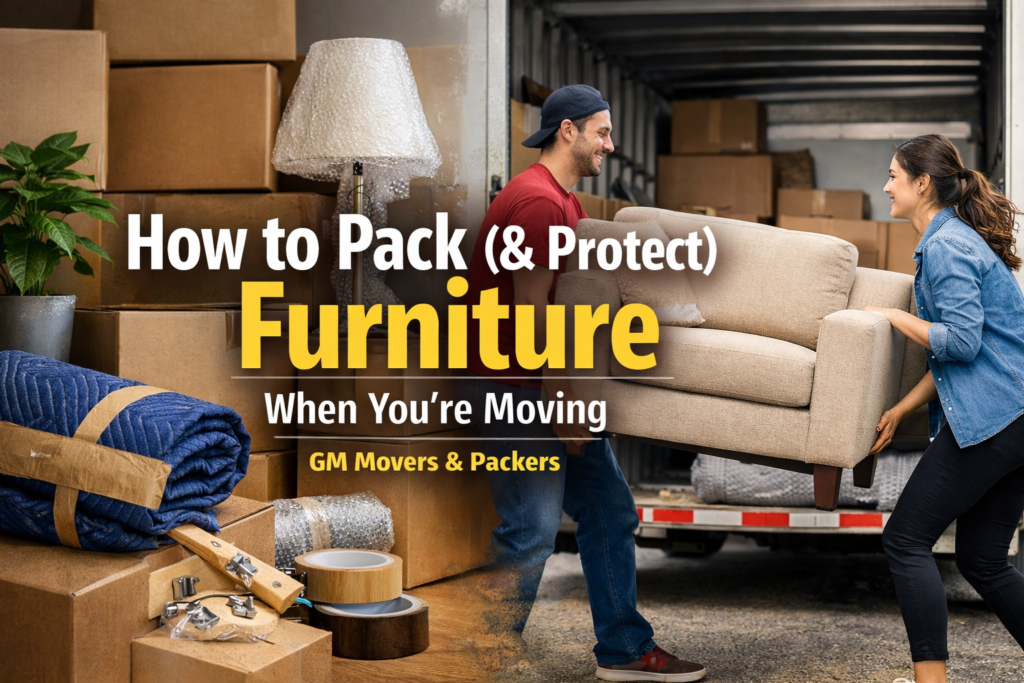
Moving day always sounds simple. Until you’re standing in the living room, staring at a sofa that suddenly feels heavier than your life choices. Furniture packing isn’t just about wrapping things up. It’s about protecting memories, money, and your sanity. Done right, your furniture arrives clean, scratch-free, and ready to use. Done wrong… well, you already know.
Below is a practical, real-world guide. Not perfect. Just effective.
1. Start With a Quick Furniture Assessment
Before touching tape or bubble wrap, slow down. Walk through each room. Look at what really needs protection. Solid wood beds, glass tables, wardrobes, sofas. Some items are tough. Others are drama queens.
This is where planning quietly saves you hours later. Make a rough list. Big items first. Fragile pieces get priority. We talk more about planning moves like this in our moving checklist guide on the blog.
2. Gather Packing Supplies (Don’t Wing It)
Using random sheets and old towels sounds smart. Sometimes it works. Mostly it doesn’t.
You’ll need moving blankets, stretch wrap, bubble wrap, corrugated cardboard, packing tape, zip bags, and markers. Furniture pads matter more than people think. Especially for long-distance moves.
Cheap materials lead to expensive repairs. Simple math.
3. Disassemble What You Can (But Not Everything)
Beds, dining tables, large wardrobes. Yes. Take them apart.
Coffee tables, single-piece shelves? Maybe not.
Take photos before disassembly. Trust me. Screws go missing. Memories fade. Put all hardware in labeled zip bags and tape them to the furniture itself. This one habit alone avoids chaos later.
Wood scratches easily. Even wrapped wood can rub against metal or walls during loading.
Use moving blankets first. Then stretch wrap. Never let plastic touch polished wood directly for long hours. It traps moisture. Small detail, big damage.
If you’ve read our article on protecting furniture during transport, you already know this step is non‑negotiable.
5. Upholstered & Leather Furniture Needs Breathing Space
Sofas and mattresses love to collect dirt. Wrap them, yes. But allow airflow.
Plastic wrap works short-term. For longer moves, use breathable covers or sheets under plastic. Leather cracks when sealed too tight. It happens quietly.
One client ignored this once. Regretted it forever.
6. Glass, Mirrors & Fragile Pieces (Extra Care Zone)
Glass furniture is unforgiving. One mistake and it’s gone.
Use cardboard on both sides, bubble wrap generously, then tape in an X pattern. Stand glass items upright during loading. Flat is risky.
We’ve explained fragile-item packing in detail in our glass and electronics packing guide if you want deeper steps.
7. Protect Floors, Walls & Door Frames Too

People forget this. Until scratches appear.
Use cardboard runners, old mats, corner guards. Especially in narrow hallways and stairs. Furniture damage isn’t only about the furniture.
Homes deserve protection too.
8. Load Furniture in the Truck the Smart Way
Heavy items go first. Always.
Place sofas and mattresses upright. Strap everything. No exceptions. Use padding between items so nothing shifts during braking.
Never stack heavy boxes on wrapped furniture. It compresses padding and causes dents. Happens fast.
9. Weather Changes Everything
Rain, humidity, heat. All enemies.
Wrap accordingly. Use waterproof covers when needed. Avoid leaving furniture exposed outside. Even ten minutes in rain can ruin wood finishes.
Professional movers plan around weather. DIY movers usually don’t. That’s the difference.
10. When Hiring Professional Movers Makes Sense
Sometimes, doing it yourself costs more.
Large homes, luxury furniture, tight staircases, long-distance moves. These situations demand experience. Professional packing and moving services reduce risk. Period.
If you’re unsure, our team at GM Mover and Packer handles furniture packing daily. No guesswork. Just systems that work.
Final Thoughts
Why Choosing a Professional International Moving Company Matters
Experts bring tools you do not. Professional packing services use tested materials, advanced custom crating solutions, and proven systems for damage-free shipping. Their experience reduces risk you cannot eliminate alone.
When stakes are high, professional help turns fragile goods transportation into a controlled process instead of a gamble.
“Good packing is invisible when it works and unforgettable when it fails.”
Packing fragile items is not about fear. It is about respect for what you ship. When you pack with intention, your belongings arrive safely, every time.

Alexandra Hayes
Alexandra Hayes is a seasoned business writer and researcher with a focus on the moving and relocation industry. Over the past 5 years, she has gained hands-on experience in residential and commercial moves, sharing insights on everything from planning and logistics to execution. Her expertise helps readers understand the moving process and choose reliable movers with confidence.
FAQs
How to properly pack furniture for moving?
Start by cleaning furniture, then disassemble what you can. Wrap wooden items with blankets, protect corners with cardboard, and use stretch wrap to hold padding in place. Glass and mirrors should always travel upright.
You can also follow our step-by-step furniture packing tips shared in our packing and moving guides section.
What is the hardest room to pack when moving?
The kitchen is usually the hardest room to pack. Too many fragile items, mixed sizes, and things you still need until the last day. Cabinets, glassware, and appliances require extra care.
Our blog already covers fragile-item packing, which helps a lot before touching kitchen furniture.
What’s the easiest way to move furniture?
The easiest way is hiring professional movers who already have the right tools, padding, and experience. If you’re doing it yourself, using furniture dollies and lifting straps makes a huge difference.
Our professional moving services are designed exactly for this—less effort, less risk.
What is the 2/3 rule for furniture?
The 2/3 rule means furniture should not take up more than two-thirds of a moving truck’s height or width when stacked. This prevents shifting, tipping, and pressure damage during transit.
We explain proper truck loading techniques in our moving safety articles on the blog.
What is the cheapest moving option?
The cheapest option is a DIY move using a rental truck, packing yourself, and moving during off-peak days. However, cheap doesn’t always mean safe. Furniture damage can cost more than professional help.
If you’re comparing costs, our moving cost and planning guides can help you decide smarter.