
- +971 56 487 2917
International vs Local Moving: Key Differences for UAE Residents
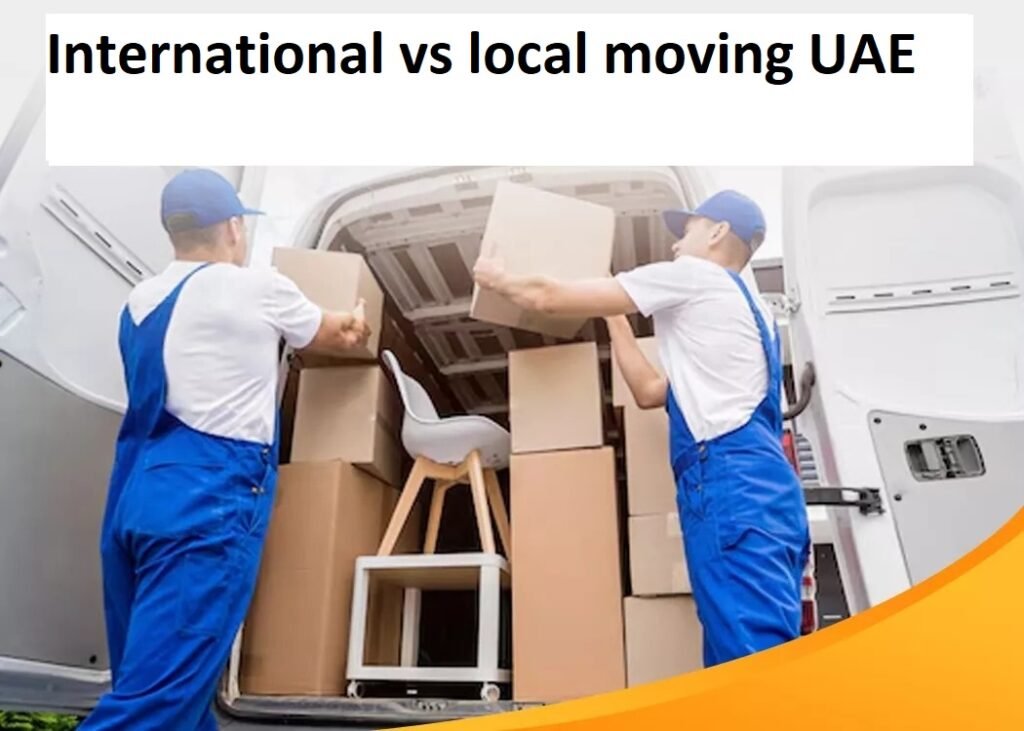
Relocating to a new place is a major decision, and the process can vary significantly depending on whether the move is within the country or across international borders. For UAE residents, understanding these differences early can help avoid delays, unexpected costs, and unnecessary stress. This guide explains how overseas relocation and domestic home shifting differ in terms of planning, documentation, logistics, and overall execution.
Scope of the Move
One of the most noticeable differences lies in the distance and complexity involved. Domestic relocation usually involves moving belongings from one emirate or city to another within the UAE. These moves are relatively straightforward and typically completed within a short timeframe.
Overseas relocation, on the other hand, involves transporting household items to another country. This includes international shipping routes, coordination with foreign agents, and compliance with destination-country regulations. The scope is broader, requiring careful scheduling and coordination at multiple stages.
Documentation and Legal Requirements
Domestic home shifting within the UAE involves minimal paperwork. Most moves require basic identification and building approvals from property management or community authorities.
Cross-border relocation requires extensive documentation. This may include customs declarations, inventory lists, passport copies, visas, and import permits. Some countries also have restrictions on specific household items, which must be declared or removed before shipping. Missing or incorrect paperwork can result in delays or additional charges.
Packing and Handling Standards
For local moves, packing standards focus on protecting items during road transportation. Furniture, appliances, and household goods are usually packed for short-distance handling.
For overseas moves, packing must meet international shipping standards. Items are often packed to withstand long transit times, sea freight conditions, and multiple loading and unloading stages. Specialized materials are used to protect fragile and high-value belongings over extended journeys.
Transportation Methods
Domestic relocation within the UAE is mainly handled through trucks or vans, allowing for flexible scheduling and quicker delivery.
International relocation relies on air freight or sea freight, depending on budget, urgency, and destination. Sea freight is commonly used for full household shipments, while air freight is chosen for essential or time-sensitive items. Each method has its own cost structure and delivery timeline.
Cost Structure and Budget Planning
Local moves are generally more affordable, with costs based on distance, volume of belongings, and required manpower. Pricing is usually transparent and easy to estimate.
Overseas relocation costs are influenced by shipping method, customs duties, insurance, destination charges, and storage requirements. Additional services such as export packing, documentation handling, and customs clearance can also impact the total budget. Proper cost planning is essential to avoid surprises.
Timeframes and Delivery Expectations
Domestic moves are often completed within a single day or a few days, depending on the size of the relocation.
International shipments take longer, ranging from several weeks to months. Transit time depends on shipping mode, destination country, customs clearance speed, and weather or port conditions. UAE residents planning an overseas move should prepare for extended timelines and temporary living arrangements if needed.
Risk Management and Insurance

Local moves involve relatively lower risk due to shorter transit distances. Basic coverage is often sufficient for most households.
For international relocation, insurance becomes more critical. Long journeys increase the risk of damage, loss, or delays. Comprehensive coverage provides financial protection and peace of mind throughout the relocation process.
Choosing the Right Relocation Service
Domestic relocation services focus on speed, local regulations, and efficient manpower management.
Overseas relocation providers must have experience in international logistics, customs handling, and coordination with overseas partners. Choosing a service provider familiar with destination-country requirements can significantly reduce complications.
Final Thoughts
Both domestic and overseas relocations serve different needs and require distinct approaches. UAE residents who clearly understand these differences can plan better, control costs, and ensure a smoother transition. Whether moving within the country or relocating abroad, proper preparation and informed decision-making play a key role in a successful move.

Alexandra Hayes
Alexandra Hayes is a seasoned business writer and researcher with a focus on the moving and relocation industry. Over the past 5 years, she has gained hands-on experience in residential and commercial moves, sharing insights on everything from planning and logistics to execution. Her expertise helps readers understand the moving process and choose reliable movers with confidence.